
From pitch to pilot: the start-ups tackling welfare and accessibility in British racing

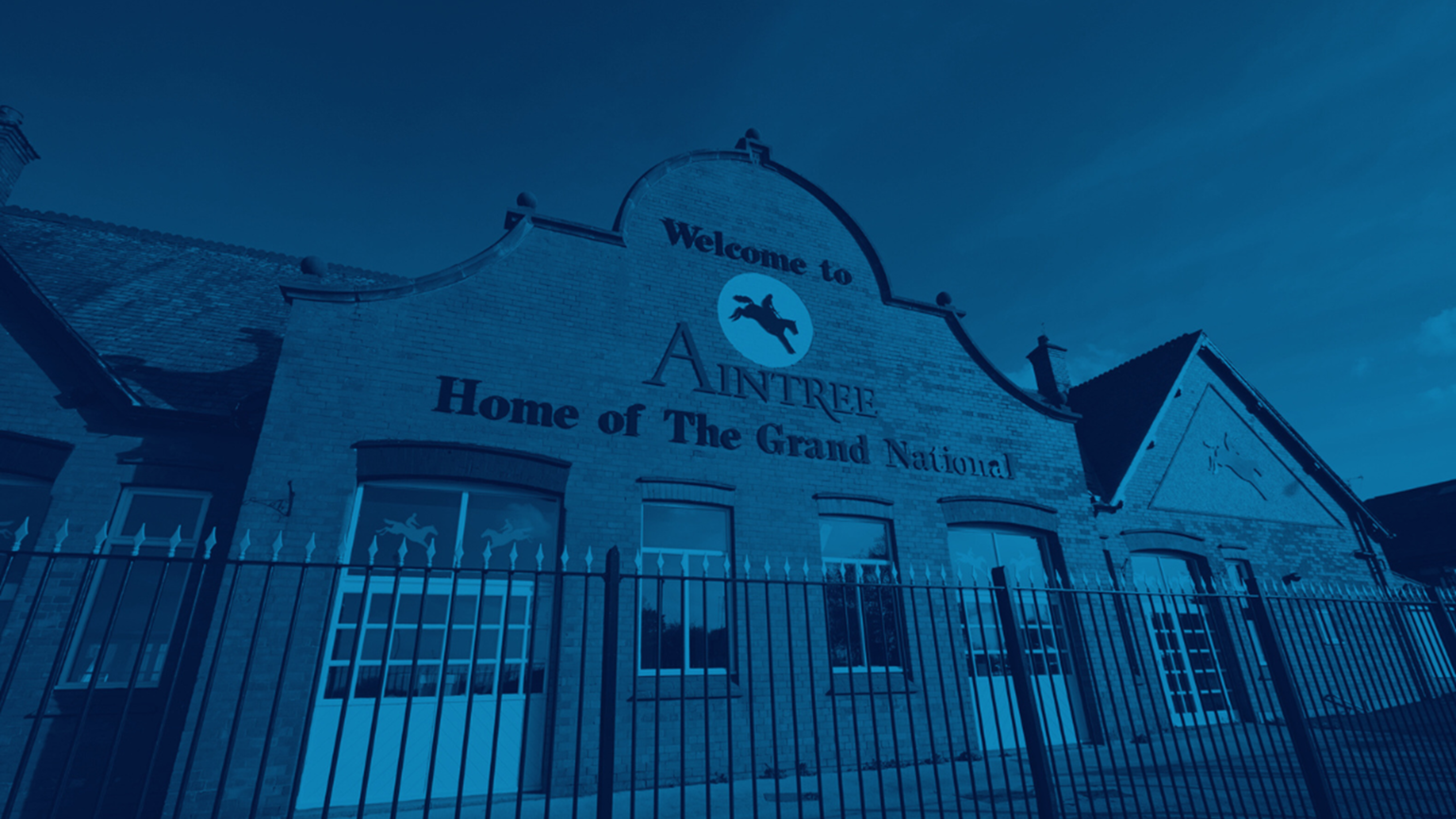
The Grand National at Aintree is one of the few sporting events that reaches far beyond its core audience. Each April, office sweepstakes are drawn, names are pulled from hats and millions who rarely think about racing find themselves backing a horse. First run in 1839, it remains the biggest horse racing event of the year by staking volume, and a showcase for the sport’s enduring cultural pull.
But the event also brings racing’s most visible challenge into focus. The number of horse fatalities over the years has made welfare a persistent concern. Recent research as part of the British Horseracing Authority’s (BHA) Project Beacon found that this is one of the main obstacles to greater fan engagement and public confidence depends on demonstrable progress in protecting horses. Meanwhile, barriers as simple as buying a ticket for the big day or navigating the race card are also keeping potential fans at arm’s length.
The Future of Racing is an innovation program developed by Flutter and the BHA to address these themes. More than 100 start-ups applied: shortlisted applicants then pitched to an audience of racecourse operators, trainers and industry leaders.
Three of those – Raw Stadia, Fanbase and Horsebox – are now moving from presentation to pilot, in the vital areas of course ground conditions, fan engagement and shared ownership. As Dan Wyles, Emerging Technology Strategist at Flutter Entertainment, says: “The industry wanted to innovate but hadn’t got anything to take forward. We’re helping to solve that.”

Objective data for safer tracks
One simple intervention for horse welfare could come from improved data about the ground conditions of courses they run on. Better information could help owners and trainers improve how they manage the physical stress on animals. Until now, racecourse preparation has relied heavily on experience. Ground staff assess conditions by eye and feel; jockeys walk the course and offer a subjective assessment of the track conditions.”
Raw Stadia is changing that by measuring, monitoring and managing track conditions using handheld devices. A ‘Raw Artificial Athlete’ drops a weight onto the ground to measure shock absorption, hardness and energy return, while a ‘penetrometer’ is inserted to record firmness and moisture. Real time Track characteristics are instantly uploaded and analyzed to Raw Stadia’s platform to visualize track and performance conditions.
If injuries or incidents occur, ground staff and track owners can look back at surface data and begin to identify risk factors, something subjective assessments alone cannot provide. Over time, the information will become valuable in predicting conditions more accurately. “Sometimes there can be an initial hesitation to new data, as grounds staff have huge amounts of experience and expertise,” Hugh Sugden, Key Account Manager at Raw Stadia, says. “But this isn’t about replacing that knowledge, it’s about supporting it. The data gives them another tool to make informed decisions and continue raising standards. Ultimately, it helps everyone work towards the same goal: safer conditions for horses.”
From social feed to grandstand
If better data can protect horses, simpler technology can help attract the fans to watch them; Project Beacon found that millions of people might be tempted to attend races if the process was simpler. But too often a potential fan might see a clip on social media, tap through to a racecourse website and find themselves on a page designed for desktop, or dealing with a purchasing experience that is outdated. The impulse to buy fades.
Fanbase wants to change that – giving racecourses a mobile-first platform where fans can buy tickets in seconds, book hospitality, become members of the community and earn rewards, all easily linked from social media, email or text message.
According to Alasdair Crawley, the company’s founder and CEO, Fanbase’s existing partners report up to 50% higher revenue since beginning work, alongside valuable daily savings in admin time through automated communications and features such as an AI-powered Help Center. “We’ve worked successfully across football, rugby, basketball, ice hockey, but now we’re looking to partner with a racecourse,” Alasdair says. “The core elements are the same: fans want to go to live sports and they need a way to get there. But we’ve had to try and prove this concept in racing, which shows there are new commercial areas still to be tapped.”
Opening the door to ownership
For existing fans, deeper engagement might mean exploring the world of horse ownership. Though most people think of racehorse owners as wealthy individuals, roughly 60% of horses are owned by smaller syndicates and clubs. An estimated £500m is spent annually on costs such as training and racing fees, but the shared ownership market remains fragmented and largely invisible. Syndicates and racing clubs are scattered across websites of varying quality, with physical contracts, direct debits and word-of-mouth referrals still the norm.
Horsebox, a digital marketplace founded by Fraser Ralston, consolidates shared ownership opportunities in one place. Built for BHA-licensed trainers, syndicates and racing clubs, it gives operators a professional platform to present shares while making it easier for new owners to take a first step into the sport. Ralston bought his own first share through the platform, describing the “slightly surreal” experience of discussing race strategy with the trainer before watching his horse in the parade ring. As a punter, he notes, “eighth is eighth – no prize money, no glory,” but as an owner, you understand why that could be the foundation of greater success. “It’s not just a day out anymore,” he says. “You are part of the sport.”
From interest to action
These start-ups face common challenges. For Horsebox it’s the typical ‘cold-start’ marketplace problem – it’s hard to attract potential owners without horses listed and vice versa. Both Fanbase and Raw Stadia must build credibility with a new sector by demonstrating their impact.
There are early signs that the industry is ready to move. The Jockey Club plans to trial Raw Stadia’s technology at Newmarket racecourse in Suffolk, a beacon of British horse racing. And the BHA is planning a five-racecourse pilot to run until the end of December. Meanwhile, a trainer contacted Horsebox after seeing coverage in the Racing Post newspaper, with three horses ready to list. “That is what I needed,” Ralston says. “Something instantly came from it.”
These three start-ups – and their cohort on the program – suggest the building blocks for increased racing innovation are falling into place. But the real test comes next. The program plans to showcase early progress at York racecourse in May, with the ambition of having a live solution at a stable or racecourse by the end of 2026. For this new generation of start-ups, that is when pitches must become products.
Explore the full Future of Racing series from the start.